

Rent controls may sound like an easy solution- but history suggests they often create new problems instead.
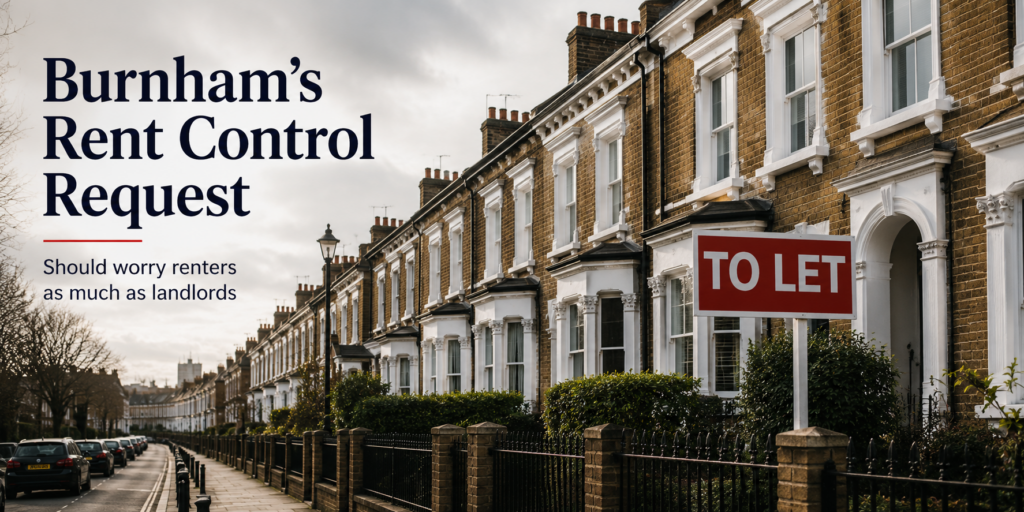
I’ve warned for years that rent controls may sound like a simple answer to rising housing costs, but they often reduce the supply of homes available to rent while doing little to address the real causes of the problem.
With reports suggesting Andy Burnham is being lobbied to introduce new restrictions on rents, this is exactly the wrong direction to take.
Rent controls are designed to artificially limit either the level of rent or the amount rent can increase. While the intention may be well-meaning, history repeatedly shows that they reduce investment, discourage landlords from staying in the market and ultimately leave renters with fewer choices.
While it may sound well-meaning, it would ultimately reduce the availability of affordable homes to rent. There is always a flurry of policy suggestions whenever a new resident takes over the tenancy of 10 Downing Street, but given Andy Burnham’s previous comments on rent control, this one might not be wide of the mark.
But if he wants to make life easier for other tenants, he needs to nip this suggestion in the bud.
As Mayor of Greater Manchester Andy Burnham signed an open letter demanding an immediate freeze on private sector rents, leading some to say it may be one of the new raft of policies he will announce aimed at tackling the cost of living.
As Mayor of Greater Manchester, Andy Burnham did not have the power to enact that policy.
Now he is the prime minister, he has the ability to do so – but he really mustn’t.
The current policy discussions are already causing the private rented sector to brace itself for the possibility of further regulation, and landlords are entitled to feel nervous.
There is no doubt that the rental system isn’t working well. But housing, like any market, comes down to supply and demand. The big difference with housing is that a roof over your head isn’t a ‘nice to have’ in the way that tickets to a match or a new car are.
But rent controls really are the zenith of pleasing neither landlord or tenant and coming off the back of the Renters Rights Act, increases in taxes, restrictions on who you can let to and when you can get your property back it’s simply going to ensure more landlords sell up and get out of the market.
And while it might sound good from a tenant’s point of view, with rents at an all time high, that won’t be any use if the houses they are currently renting are put on the market by landlords who are fed up with red tape and restrictions.
For those people who are renting, it feels like a trap where they’re paying so much in rent that they can’t put enough aside to save for a deposit on a home of their own.
But the way around that is to increase, not decrease supply.
Many landlords may also have borrowed to buy, so if they can’t cover their own costs, they have the option to leave a rent-controlled market and sell on the open market.
This means a reduction in the number of homes available to rent as landlords ask themselves the very simple question – why would I bother?
In a rent-controlled market, nobody with a controlled tenancy ever gives it up, but at the same time, nobody is incentivised to build or buy more stock to replace it.
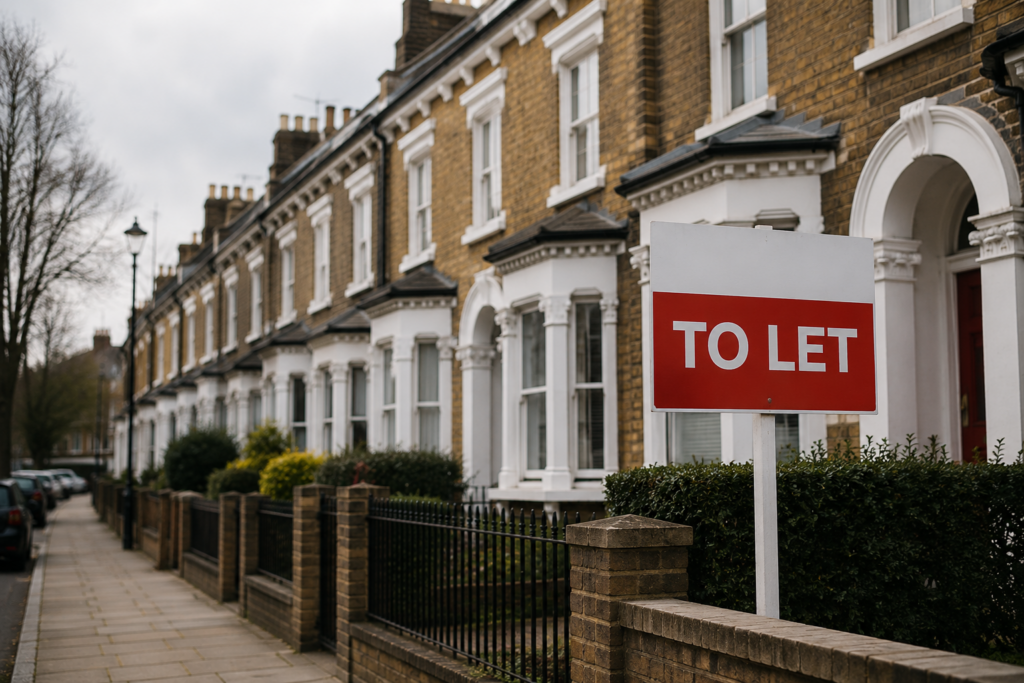
That means if you’re looking to move out or move to a new area for work, you’re going to struggle to rent a home.
Argentina tried a rigid three-year rent law in 2020 and watched landlords sell up in droves or shift into short-term lets instead, sending rents in Buenos Aires up by more than 60 per cent before the law was scrapped in 2023.
Within two years of the repeal, supply in the capital had roughly doubled and rents had started falling.
The answer to today’s cripplingly high rents and housing shortage isn’t another layer of regulation. It requires a change of policy, but not the one currently being proposed.
We do not have enough homes because we do not build enough homes, and we do not build enough homes because the planning system makes it painfully slow and expensive to do so. High rents are the symptom telling us that.
Addressing the symptom does nothing for the cause, and it removes the very incentive that might eventually fix it.
Andy Burnham has built his political brand on being the housing candidate and the prime minister who will tackle the cost of living.
If he genuinely wants to help renters, the honest move is to go after planning reform, build more social housing at real scale, and give landlords enough confidence to stay in the market rather than more reasons to leave it.
A rent cap will land well for about six months. After that, the supply will start disappearing, just as it always does, and the people he is trying to help will be the ones left searching for a home to rent that no longer exists.